What is SEO (Search Engine Optimization)
Search Engine Optimization, or SEO, is the process of making a website more visible within the SERP for targeted keywords. SEO finds its importance in driving organic traffic, improving brand visibility, and ensuring online growth. It comprises a set of strategies that target the technical and content related elements of a website.
Mainly, there are two types of SEO: On Page SEO and Off Page SEO. Both are important to understand if one wants to master the ranking of search engines for one’s target audience.
What is On Page SEO
On page SEO refers to those strategies and optimizations initiated on your website with the aim of improving its ranking in search engines. It ensures that your website is search engine friendly, relevant to user queries, and provides a high-quality user experience.
Key Elements of On Page SEO:
- Title Tags:
Every page should have a unique, keyword rich title tag. This helps search engines understand the content of the page and improves CTR (click through rate) from search results. - Meta Descriptions:
A concise summary of the page content that appears in SERPs. It should include primary keywords and encourage users to click. - Headings (H1, H2, H3,)
Proper use of headings improves readability and helps search engines understand the structure of your content. - Keyword Optimization:
Strategically placing primary and secondary keywords throughout your content without keyword stuffing. - URL Structure:
Short, descriptive URLs with keywords are more SEO friendly. - Internal Linking:
Linking to other relevant pages on your website improves user navigation and distributes page authority. - Content Quality:
High quality, original, and informative content is essential. Content should address user intent and provide value. - Image Optimization:
Use relevant images with descriptive file names and alt text for better indexing. - Mobile Responsiveness:
With mobile-first indexing, your site must be fully responsive to rank higher on Google. - Page Speed Optimization:
Faster websites improve user experience and ranking.
What is off Page SEO
Off page SEO involves all the activities performed outside of your website to enhance its authority, credibility, and ranking in search engines. While On Page SEO focuses on your website, Off page SEO is all about building the reputation of your website across the internet.
Key Elements of Off Page SEO:
- Back links:
Links from other high authority websites signal trustworthiness to search engines. Quality is more important than quantity. - Social Media Signals:
Engagement on social media platforms can indirectly influence search rankings by driving traffic and brand recognition. - Guest Blogging:
Writing articles for other websites with back links to your site improves authority and referral traffic. - Influencer Outreach:
Collaborating with industry influencers to mention or link to your website enhances credibility. - Brand Mentions:
Even unlinked mentions of your brand can improve authority if recognized by search engines. - Forum Participation and Community Engagement:
Sharing expertise in online communities can generate back links and referral traffic. - Content Marketing:
Distributing high value content like info graphics, videos, or whitepapers on external platforms boosts visibility and engagement.
Difference between On Page and Off Page SEO
| Feature | On Page SEO | Off Page SEO |
| Definition | Optimization done on the website itself | Optimization done outside the website |
| Control | Fully controlled by website owner | Partially controlled, depends on others |
| Focus | Content, structure, technical SEO | Back links, social media, brand authority |
| Goal | Improve user experience and relevance | Build credibility and authority |
| Examples | Meta tags, keywords, internal links | Guest posts, back links, influencer mentions |
| Time for Results | Faster, usually weeks | Slower, may take months to show effect |
Both On Page and Off Page SEO are important in their own ways. On Page ensures your site is optimized for users and search engines, while Off Page builds trust and authority.
How to Rank on Google’s First Page
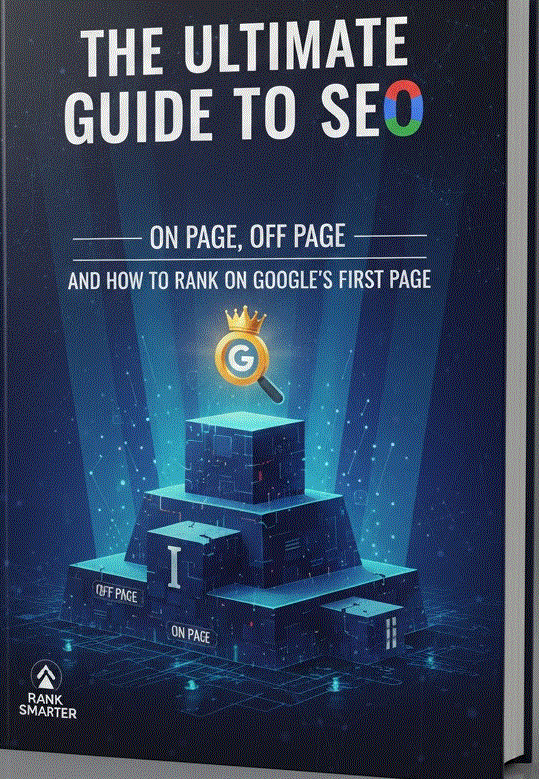
Ranking on Google’s first page is highly competitive but achievable with the right strategies. Here’s a step by step guide:
1. Keyword Research
- Use tools like Google Keyword Planner, Ahrefs, SEMrush, or Ubersuggest to find keywords with high search volume and low competition.
- Focus on long tail keywords for better conversion rates.
- Analyze competitors’ top performing keywords.
2. High Quality Content
- Write in depth, original, and engaging content targeting your audience.
- Incorporate multimedia like images, videos, info graphics, and charts.
- Ensure content solves user problems and answers their questions comprehensively.
3. on Page SEO Optimization
- Optimize title tags, Meta descriptions, headings, URLs, and images.
- Maintain proper keyword density without stuffing.
- Use internal linking to guide users and distribute link equity.
4. Mobile Friendly and Fast Website
- Ensure responsive design for mobile devices.
- Improve page load speed using caching, compression, and optimized images.
- Use Core Web Vitals to measure performance.
5. Build High Quality Back links
- Guest post on relevant and authoritative websites.
- Collaborate with influencers and bloggers in your niche.
- Share content on social media, forums, and communities.
6. Improve User Engagement
- Reduce bounce rate by improving UX and content quality.
- Increase dwell time by providing interactive content.
- Encourage comments, shares, and social engagement.
7. Monitor and Update
- Use Google Analytics and Google Search Console to track performance.
- Update outdated content regularly.
- Monitor back links and disavow toxic links.
8. Technical SEO
- Fix broken links, duplicate content, and errors.
- Create a proper XML sitemap and submit it to Google.
- Ensure proper use of robots.txt and structured data.
SEO Trends for 2025
- AI generated content and smart tools for content optimization.
- Voice search optimization as smart devices becomes more popular.
- Video SEO for platforms like YouTube and TikTok.
- Mobile first indexing remains a priority.
- User experience signals (Core Web Vitals) are critical.
- E A T (Expertise, Authority, Trust) is increasingly important for ranking.
SEO is no longer optional for businesses looking to succeed on the web. By optimizing On Page and Off Page SEO, conducting thorough keyword research, creating high-quality content, and building strong back links, you can improve your chances of ranking on Google’s first page. This presentation walks you through the latest trends in SEO, performance tracking, and adaptation for long-term success.
Achieving a rank on Google’s first page requires effort and continuity, but it will be all worth the returns: more traffic, higher brand visibility, and better conversions. This article is fully SEO-optimized with Meta description, trending hash tags, and structured headings to improve readability and search engine friendliness.
About the Author