Dengue Fever and Its Complications: Medical & Herbal Treatment Guide
Dengue fever is a fast spreading viral disease transmitted through the bite of an infected mosquito, which annually affects millions of people, especially in tropical and subtropical regions of the world like Pakistan, India, Bangladesh, Sri Lanka, Southeast Asia, Latin America, and parts of Africa. Due to climatic changes, increased urbanization, and pools of still water, dengue fever cases are still mounting globally.
This article will provide a deep understanding of dengue fever, inclusive of causes, symptoms, stages, complications, medical treatment, supportive care, and herbal remedies that can help support immunity and platelet count. This also includes the ways for prevention strategies and home based supportive care.
Dengue fever is a serious viral disease that may have life threatening complications, including dengue hemorrhagic fever and dengue shock syndrome. There is no direct antiviral treatment for dengue, but early diagnosis and supportive medical treatment with proper hydration, rest, and supportive herbal remedies could significantly improve outcomes.
The main ways of avoiding dengue remain prevention: controlling mosquitoes, minimizing stagnant water, and protecting from bites.
A blend of medical care, proper nutrition, and natural immunity enhancing remedies helps the body heal more rapidly. One should always be careful to avoid herbal treatments without consulting healthcare professionals, particularly in the cases of children, pregnant women, and people with chronic diseases.
What Is Dengue Fever
Dengue fever is a viral infection caused by the dengue virus (DENV), which belongs to the Flaviviridae family. It is transmitted primarily through the bite of infected female Aedes aegypti and Aedes albopictus mosquitoes. These mosquitoes are active mostly during early morning and late afternoon.
There are four serotypes of dengue virus (DENV-1, DENV-2, DENV-3, DENV-4). Being infected with one type gives lifetime immunity only against that type, but not the others. This is why someone can get dengue more than once in their lifetime, and secondary infections are often more dangerous.
Causes and Transmission of Dengue Virus
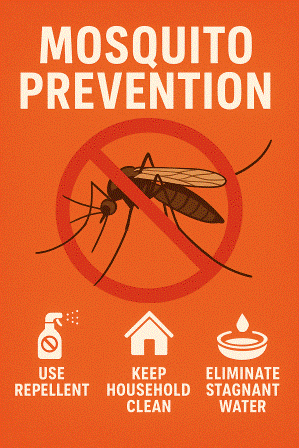
The dengue virus spreads through mosquito bites, not from one person to another directly.
1. Mosquito to Human Transmission
- When an Aedes mosquito bites a person infected with dengue, it becomes a carrier of the virus.
- After 8 to 12 days, the virus multiplies in the mosquito’s body.
- When this mosquito bites another person, it injects the virus, causing infection.
2. Environmental Factors Contributing to Dengue Spread
- Stagnant water (pots, containers, tires, uncovered tanks etc.)
- Humid climate
- Urban congestion
- Poor sanitation
- Global travel
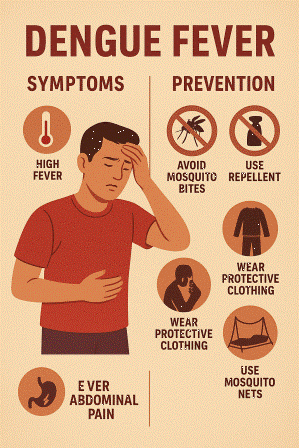
Symptoms of Dengue Fever
Dengue symptoms usually appear 4 to 10 days after being bitten by an infected mosquito. Dengue has three phases: Febrile phase, Critical phase, and Recovery phase.
1. Febrile Phase (High Fever Phase)
Common symptoms include:
- Sudden high fever (up to 104°F)
- Severe headache
- Pain behind the eyes
- Muscle and joint pain
- Nausea and vomiting
- Skin rash
- Mild bleeding (gums, nose)
2. Critical Phase (Danger Period, 24 to 48 Hours)
This is the most crucial stage and usually occurs when fever starts to reduce. Symptoms include:
- Abdominal pain
- Persistent vomiting
- Internal bleeding
- Severe low platelets
- Puffy face or swelling
- Difficulty breathing
- Restlessness or confusion
During this phase, dengue can become life threatening.
3. Recovery Phase
- Gradual improvement
- Return of appetite
- Stabilizing blood pressure
- Platelets begin to increase
- Weakness and fatigue remain for weeks
Types of Dengue Fever
Dengue generally appears in three forms:
1. Dengue Fever (DF)
With high fever and general symptoms.
2. Dengue Hemorrhagic Fever (DHF)
A more severe form causing:
- Plasma leakage
- Severe drop in platelets
- Bleeding
- 3. Dengue Shock Syndrome (DSS)
The most dangerous stage symptoms include
- Organ failure
- Sharp blood pressure drop
- Shock
- Can be fatal if not treated immediately
Complications of Dengue Fever
Dengue can lead to several complications that are following
1. Severe Bleeding
Due to low platelets, bleeding can occur from
- Nose
- Gums
- Stomach
- Intestines
- Urine
2. Dengue Shock Syndrome (DSS)
Life threatening complication caused by severe plasma leakage leading to shock.
3. Organ Damage
Severe dengue can cause:
- Liver inflammation
- Kidney damage
- Lungs fluid accumulation
- Heart inflammation
4. Low Platelet Count
Risky when platelets drop below 50,000.
5. Dehydration
Due to high fever and poor oral intake like water.
6. Extreme Weakness
Can take a week after recovery from fiver.
Diagnosis of Dengue Fever
Healthcare providers use
1. Blood Tests
- NS1 antigen test detects early dengue (Day 1 to Day 5)
- IgM/IgG antibodies confirm later stages
- CBC test platelet count, hematocrit levels
2. Physical Examination
To evaluate dehydration, bleeding, and organ involvement.
Medical Treatment for Dengue Fever

There is no specific antiviral cure for the dengue virus. Treatment focuses on supportive care to manage symptoms and prevent complications.
1. Fever and Pain Management
Recommended:
- Paracetamol
Avoid:
- Ibuprofen
- Aspirin
- Diclofenac
these increase the risk of bleeding.
2. Hydration Therapy
Oral or intravenous fluids to prevent dehydration
- ORS
- Coconut water
- Electrolyte enriched drinks
3. Monitoring Platelets and Hematocrit
Daily blood tests to monitor progression.
4. Hospital Care for Severe Cases
Hospitalization is required if
- Platelets fall below 20,000
- Bleeding occurs
- Severe abdominal pain
- Persistent vomiting
- Signs of shock
Treatments include:
- IV fluids
- Blood transfusion (if severe bleeding)
- Platelet transfusion (rarely required unless very low platelets)
Herbal and Natural Remedies for Dengue Support
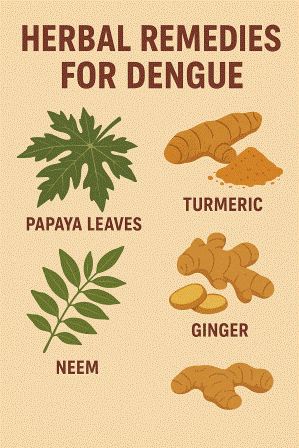
While herbal treatments cannot replace medical care, they can support recovery and help increase platelets count. Always use herbal remedies as supportive therapy, not a replacement for professional treatment.
1. Papaya Leaf Juice
Papaya leaves are known to help increase platelet count.
Benefits:
- Boosts immunity
- Increases platelets
- Reduces dengue symptoms
Dosage:
10 to 20 ml fresh juice twice a day (after doctor approval).
2. Giloy (Tinospora Cordifolia)
Known as Amrita in Ayurveda.
Benefits:
- Strengthens immunity
- Reduces fever
- Anti-inflammatory
Dosage:
Giloy juice 30 ml twice a day.
3. Tulsi (Holy Basil)
A natural antiviral herb.
Benefits:
- Reduces fever
- Supports respiratory system
Usage:
Boil leaves in water and drink twice daily.
4. Neem Leaves
Helps purify the blood and has antiviral properties.
Usage:
Boil 5 to 7 neem leaves and drink once daily.
5. Goat Milk
Believed in traditional medicine to support platelet increase.
Benefits:
Rich in Selenium, helps immunity.
6. Pomegranate Juice
Helps maintain healthy blood levels and supports platelets.
7. Coconut Water
Restores electrolytes and prevents dehydration.
8. Fenugreek Seeds (Methi)
Helps reduce fever and promotes relaxation.
9. Turmeric Milk
Boosts immunity and fights inflammation.
Diet Plan During Dengue Fever
Recommended Foods
- Porridge
- Khichdi
- Soups
- Fresh juices
- Boiled vegetables
- Papaya
- Kiwi
- Carrots
- Pomegranates
- Coconut water
Avoid following foods
- Oily and spicy foods
- Fast food
- Caffeine
- Red meat
- Carbonated drinks
Prevention of Dengue Fever
Since there is no complete cure, prevention is crucial.
1. Avoid Mosquito Bites
- Use mosquito repellents
- Wear full sleeves
- Use mosquito nets
2. Control Mosquito Breeding
- Cover water tanks
- Remove stagnant water
- Clean coolers weekly
- Dispose of old tires and pots
3. Community Measures
- Fumigation
- Awareness programms
- Clean surroundings
Dengue in Children, Elderly, and Pregnant Women
These groups are at higher risk of complications.
Children
- Higher chances of dehydration
- Watch for irritability, weakness
Pregnant Women
- Risk of preterm birth
- Potential transmission during delivery
Elderly
- Weaker immunity
- Rapid progression of symptoms
When to See a Doctor Immediately
Seek emergency care if any of these occur
- Blood in vomit or stool
- Severe abdominal pain
- Difficulty breathing
- Feeling faint or dizzy
- Persistent vomiting
- Platelets dropping below 50,000
Medical Disclaimer
The information here is for educational and informational use only. It is not intended as professional medical advice, diagnosis, or treatment.
Always consult with a qualified medical professional or doctor before initiating any medication, herbal remedy, supplement, or treatment plan, particularly if you have an existing medical condition, are pregnant, breastfeeding, or giving treatment to a child or elderly person.
Never disregard professional medical advice or delay in seeking it because of something you have read here. If you suspect dengue fever or you are experiencing high fever, bleeding, severe abdominal pain, or persistent vomiting, seek immediate medical attention.
The herbal and natural remedies included in this article serve only as support care and must never substitute the conventional medical treatments.
Note: The author and publisher disclaim liability for any misuse or misunderstanding of any information provided within this book. All treatments must be used under the guidance of a licensed medical practitioner.
About the Author







It is informative post according to sessional activity. Good simple language is used to understand the viral dengue fiver.
thank you dear