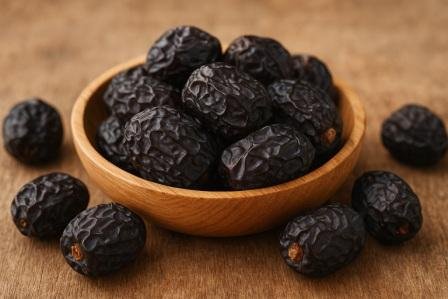
ajwa dates benefit
Among the countless fruits gifted by nature, few hold as much historical, spiritual, and medicinal importance as the Ajwa date. Native to the sacred city of Medina in Saudi Arabia, Ajwa dates are famous not only for their delicious taste but also for their Prophetic endorsement, nutritional value, and healing properties.
Valued in Islamic tradition and validated by modern science, Ajwa dates have become a symbol of both faith and wellness. From the palm groves of Medina to homes across the world, this small, dark fruit carries centuries of blessing, history, and health.
1. History of Ajwa Dates
The history of Ajwa dates stretches back more than 1,400 years, deeply rooted in Medina, the second holiest city in Islam. Historical accounts and local traditions suggest that the Prophet Muhammad ﷺ personally planted the first Ajwa palm trees in the Quba in Medina.
Over time, the fertile volcanic soil and warm desert climate of Medina made it the perfect environment for growing Ajwa palms. Unlike other varieties, Ajwa has remained exclusive to Medina, making it a sacred and geographically unique fruit.
In early Islamic history, Ajwa dates were not only a source of nourishment but also a symbol of generosity. They were offered as gifts, shared during feasts, and distributed among the poor. The people of Medina considered Ajwa palms a divine blessing a reminder of the Prophet’s connection to the land and his teachings on wholesome living.
Even today, Medina’s Ajwa farms maintain strict cultivation practices to preserve the fruit’s purity and realism. Because of this heritage, Ajwa dates are sometimes referred to as “the dates of paradise.”
2. Ajwa Dates According to Prophet Muhammad ﷺ
The religious and holy importance of Ajwa dates comes directly from the sayings of Prophet Muhammad ﷺ. Several authentic narrations in Sahih Bukhari, Sahih Muslim, and Tirmidhi mention the caring and healing power of Ajwa dates.
Prophet Muhammad ﷺ says
“He who eats seven Ajwa dates every morning will not be out of action by magic or poison that day.”
(Sahih Bukhari, Hadith 5445; Sahih Muslim, Hadith 2047)
This hadith has inspired millions of Muslims to eat seven Ajwa dates daily, preventive medicine.
Another narration says:
“Ajwa dates are from Paradise.”
(Tirmidhi, Hadith 2068)
This statement further elevates Ajwa dates above all other varieties. They are seen as a source of blessing (barakah) and shifa. The Prophet Muhammad often emphasized the value of natural foods dates, honey, black seed, and milk as part of a balanced and wholesome life.
Ajwa dates, therefore, are not only a nutritional food but also a spiritual practice, reflecting the harmony between faith and health in Islam.
3. Medical and Scientific Benefits of Ajwa Dates
Modern science has uncovered fascinating insights into the health benefits of Ajwa dates, many of which align with what the Prophet Muhammad taught over 1,400 years ago.
Ajwa dates are rich in fiber, antioxidants, vitamins, and essential minerals, making them one of the healthiest natural foods in the world. Following are the major proven benefits supported by medical research?
a. Rich in Antioxidants
Ajwa dates are packed with flavonoids, phenolic acids, and carotenoids natural antioxidants that protect the body from oxidative stress and cell damage.
Research published in the International Journal of Food Sciences and Nutrition found that Ajwa dates have higher antioxidant content than most other date.
Antioxidants help reduce the risk of heart disease, cancer, and inflammatory disorders by neutralizing free radicals in the body.
b. Heart Health and Cardiovascular Protection
One of the most significant findings in modern research is Ajwa’s effect on heart health. Studies by King Saud University and Taibah University have shown that Ajwa date extract can protect the heart from ischemic injury and reduce arterial blockage.
The potassium and magnesium in Ajwa dates help regulate blood pressure, while dietary fiber lowers cholesterol levels.
As such, Ajwa dates are now recognized as a natural heart protector, echoing the Prophetic wisdom of consuming them regularly.
c. Natural Energy Booster
Ajwa dates contain a balance of natural sugars glucose, fructose, and sucrose which provide instant and constant energy.
This makes them an ideal food for athletes, students, or anyone who needs a quick source of stamina.
Unlike refined sugars, the natural sweetness of Ajwa dates comes with essential nutrients and fiber, ensuring slow energy release and steady blood sugar levels.
d. Digestive and Gut Health
The high dietary fiber content in Ajwa dates supports healthy digestion, prevents constipation, and promotes the growth of beneficial gut bacteria.
Regular consumption helps cleanse the intestines and supports better absorption of nutrients, contributing to overall digestive wellness.
e. Anti-inflammatory and Healing Properties
According to research published in the Journal of Ethno pharmacology (2017), Ajwa date extracts demonstrate anti inflammatory, antioxidant, and liver protecting effects.
These properties help in preventing liver damage, reducing inflammation, and protecting the kidneys from toxins.
Such findings support the belief that Ajwa dates possess medicinal properties that go beyond simple nutrition.
f. Bone and Blood Health
Ajwa dates are an excellent source of iron, calcium, phosphorus and magnesium minerals essential for bone strength and blood formation.
Their regular consumption helps prevent anemia and osteoporosis, making them especially beneficial for women, children and the elderly.
4. Why Ajwa Dates Are Different from Other Dates
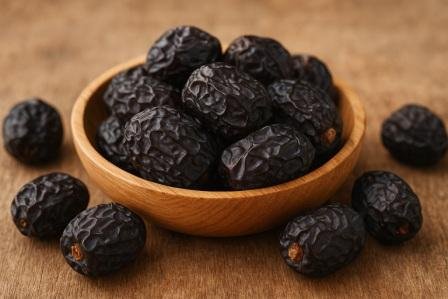
With over 580 varieties of dates cultivated around the world including Medjool, Safawi, and Sukkari the Ajwa variety stands apart due to its origin, composition, and sacred status.
| Feature | Ajwa Dates | Other Date Varieties |
| Origin | Exclusively grown in Medina, Saudi Arabia | Found across Middle East & North Africa |
| Color | Dark brown to black | Ranges from golden to amber |
| Texture | Soft, dry, slightly fibrous | Moist or sticky |
| Taste | Mildly sweet, with hints of caramel | Sweeter and more sugary |
| Spiritual Value | Mentioned by Prophet Muhammad ﷺ in Hadith | Not mentioned in Hadith |
| Antioxidant Content | Very high | Moderate |
| Medical Benefits | Protective against toxins and heart disease | General nutritional benefits |
In essence, Ajwa dates are unique because they combine spiritual blessing and scientific health benefits in one fruit. Their sacred origin, distinct flavor, and exclusive cultivation in Medina make them unlike any other variety in the world.
5. The Spiritual and Symbolic Importance
In addition to their physical benefits, Ajwa dates represent a profound spiritual representation.
For Muslims, consuming Ajwa is a reminder of the Prophet’s guidance toward natural healing and gratitude for divine blessings. The fruit embodies the balance between spiritual faith and physical well being a concept central to Islamic teachings.
Many believers consume Ajwa during Ramadan, Hajj, or as part of daily Sunnah practices, viewing it as both food and medicine a means to nourish the body while purifying the soul.
6. How to Eat and Store Ajwa Dates
To preserve their nutrients and taste:
- Store Ajwa dates in a cool, dry place or refrigerator.
- Avoid moisture exposure to prevent spoilage.
- For best results, eat seven Ajwa dates in the morning as recommended in the Hadith.
You can also add them to smoothies, desserts, oatmeal, or energy bars for a natural sweetness boost.
Ajwa dates are more than a fruit; they are a living tradition of faith, healing, and heritage. Their history links directly to the Prophet Muhammad ﷺ, their origin is tied to the blessed land of Medina, and their health benefits are now affirmed by modern medicine.
By consuming Ajwa dates, one participates in a timeless practice that nourishes both body and soul. Whether you seek spiritual protection, natural healing, or simply a delicious source of energy, Ajwa dates stand as a divine super food a true gift from paradise.
References
- Sahih Bukhari, Hadith 5445
- Sahih Muslim, Hadith 2047
- Tirmidhi, Hadith 2068
- Al-Farsi, M., & Lee, C. Y. (2011). International Journal of Food Sciences and Nutrition
- Al-Qarawi, A. A. et al. (2017). Journal of Ethno pharmacology
- King Saud University Medical Research Center (2015). Protective Effects of Ajwa Dates on the Heart
- Al-Shahib, W., & Marshall, R. J. (2003). Food Chemistry
About the Author