The Power of Healthy Eating: Simple Steps to a Balanced Diet
Healthy eating is the cornerstone to a life full of life and vitality. When surrounded by fast foods, sweetened beverages, and highly processed snacks, making healthy food choices can be overwhelming. However, the power with healthy eating does not come from strict diets or restrictions but from balance and awareness. It’s about giving your body, mind, and soul the nutrition they need from whole, natural foods that create enduring energy and well-being. A healthy diet isn’t about perfection it’s about progress: small steps in a consistent manner that build lifelong wellness habits.
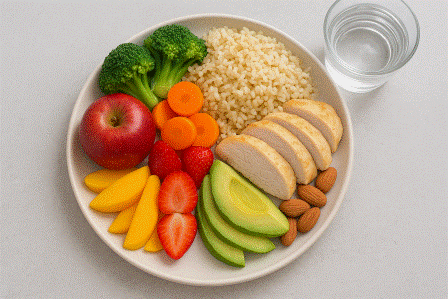
At the core, healthy eating includes fruits, vegetables, whole grains, lean proteins, and healthy fats, limiting processed foods, sugary drinks, too much salt, and unhealthy fats. These are the foods that give your body what it really needs: essential vitamins, minerals, fiber, and antioxidants that support every system in you. Give your body the best fuel possible by focusing on whole, colorful, and nutrient rich ingredients. Health experts often suggest that half of your plate should be filled with fruits and vegetables, while the remaining portion should be shared between whole grains and lean proteins. Water also plays a very important role in the body: it rehydrates the body, aids digestion, and helps in flushing out toxins from the body. As for sugar, it should be limited not just to maintain weight but also to protect the heart and metabolic health in the future.
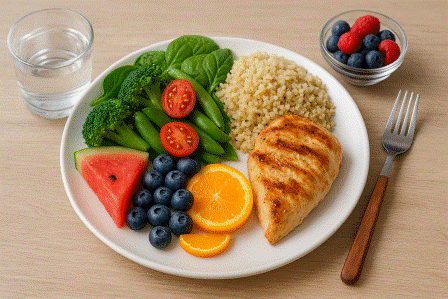
Fruits and vegetables form the basis of any diet. They are nature’s most powerful source of essential nutrients, packed with fiber, vitamins, and minerals that strengthen the immune system and protect against chronic diseases. Their colors represent various types of phytonutrients orange and yellow fruits are rich in beta carotene, while dark leafy vegetables contain iron, calcium, and antioxidants. Eating different colors will ensure a wide range of nutrients for your body. Whole grains represent another healthy ingredient in your diet: brown rice, oats, and quinoa. Unlike their refined version, whole grains retain their fibrous and germ layers, thus ensuring a steady release of energy throughout the day. They support digestion, stabilize blood sugar, and keep you full longer, which is helpful for weight management.
Protein is another essential building block of life, with its contribution to muscle repair and restoration, hormone production, and the healthy maintenance of the skin, hair, and nails. Lean proteins like chicken, fish, eggs, lentils, and tofu provide high quality amino acids without excess saturated fat. For those following plant-based diets, beans, lentils, chickpeas, and quinoa are excellent sources of protein with fiber combined. The truth is, there is nothing to fear when it comes to healthy fats. They are essential for brain health, hormone balance, and cell growth. Avocados, nuts, seeds, olive oil, and fatty fish such as salmon or sardines are just a few sources that supply beneficial omega 3 fatty acids, which lower inflammation and support the health of your heart. Including these in small portions daily can make a big difference in your general well-being.
Water is often termed the forgotten nutrient, yet it’s the most important in every way. Water handles body temperature, helps in digestion, and allows every cell to perform its work in the body. Most people don’t estimate correctly how much water they need drinking at least eight glasses a day can help keep one’s energy level up, improve skin health, and even control hunger. Replacing sodas and sugary beverages with plain or infused water is an easy but formidable change. Hydration is also instrumental in maintaining focus and preventing fatigue, especially while working in a hot climate or during activities involving physical motion.
Eating healthy goes a long way beyond just physical benefits; it also nurtures mental and emotional well-being. A nutrient-rich diet has been shown to reduce symptoms of depression and anxiety while improving concentration and mood stability. The brain loves steady energy and key nutrients such as omega 3, B vitamins, and antioxidants. When we eat better, we think clearer, sleep better, and feel so much more positive. Besides, healthy eating plays an immense role in the prevention of diseases. Many chronic diseases, including but not limited to obesity, diabetes, heart disease, and hypertension, are all linked to poor diet choices. Shifting toward whole, unprocessed foods helps regulate blood sugar, cholesterol, and blood pressure, significantly lowering health risks.
Eating healthy does not have to be complicated. One simple strategy is to visualize your plate: fill half with fruits and vegetables, a quarter with whole grains, and the remaining quarter with lean protein. This easy rule creates balance without having to count calories. Planning meals in advance also makes a big difference. When you prepare healthy options ahead of time, you’re less likely to rely on convenience foods or make hurried, unhealthy choices. Mindful eating is another valuable habit. By slowing down and paying attention to your food, including its taste, texture, and aroma, you can better tune into your body’s hunger and fullness signals. The advantage of this is that you will not overeat and you will be able to truly enjoy your meals.
Reduction of added sugars and salt is another cornerstone of healthy eating. Excess sugar is one of the leading factors in weight gain, diabetes, and inflammation, while too much salt raises blood pressure and damages the heart. Instead of going for packaged snacks or sweet drinks, indulge in natural flavors. Use herbs, spices, lemon, and garlic to make your food delicious without adding salt. Staying hydrated will also support this effort-very often, thirst is mistaken for hunger, which can lead to unnecessary snacking. Carrying a reusable water bottle with you throughout the day can help you stay on track effortlessly.
While healthy eating emphasizes what to include, it is equally important to learn what to limit. Sugary drinks, processed snacks, and fast foods are at the top of the list of culprits in poor health outcomes. Often, these foods are high in trans fats, refined carbohydrates, and sodium and low in nutrients. That does not mean you have to give them up totally; the key is moderation. Having a slice of cake or a bag of chips on occasion will not harm your health, but having them every day will. Choosing whole, unprocessed foods most of the time will keep your body balanced and your cravings under control.
Food habits also run deep in most cultures. Fortunately, healthy eating can be adapted to almost any culture or cuisine. Traditional diets such as the Mediterranean, Japanese, or South Asian diets can be extremely healthy when prepared with fresh, whole ingredients. For instance, it is possible to make a South Asian meal much healthier by switching to steaming or grilling from deep-frying, using olive or mustard oil instead of ghee, and adding more vegetables and lentils. Food is highly personal, and is expected to remain pleasurable the goal is to enhance, not replace your food.
Another important aspect of healthy eating involves portion control. Even the healthiest food can actually contribute to weight gain when consumed in large amounts. Using smaller plates, eating more slowly, and not watching television while you eat helps in being able to eat the right amount for your body. Paying attention to portion sizes also prevents heavy or bloated feelings after eating and allows for a much more efficient digestion process.
Building healthy habits in a sustainable manner requires time, so it’s important to begin on a small scale and maintain your consistency. Make simple swaps: replace soda with water, whole-grain bread instead of white, and add in some veggies. Over time, these small changes add up to huge health improvements. Where fad diets don’t work because they are too restrictive, lifestyle changes do because they work naturally into your routine. Results aren’t the ultimate goal; lifelong wellness is.
There are still a lot of myths associated with healthy eating. A lot of them think that it is expensive, but that’s not true – staples like oats, beans, lentils, and seasonal vegetables are actually pretty cheap yet full of nutrients. Others say that you have to give up your favorite foods. The thing is, it’s all about balance; anything can be enjoyed in moderation. Others believe all fats are bad; however, good fats are a very important part of a healthy heart and brain. Lastly, skipping meals may seem like an easy way to lose weight, but it often leads to overeating later and slows your metabolism. Eating balanced, portion-controlled meals regularly is much more effective at maintaining a healthy weight.
Food has a powerful emotional and social component, too. Sharing healthy meals with family and friends strengthens relationships and fosters mindful eating. Food is to be enjoyed-food connects us to our culture, memories, and emotions. Building a positive rapport with food involves releasing guilt and embracing nourishment. When we look at food as fuel and self-care, instead of restriction or punishment, our whole relationship with eating changes for the better.
In recent years, the definition of healthy eating has evolved to include not just the concern for personal health but also the consideration of environmental sustainability. Eating more locally and seasonally, minimizing food waste, and including plant-based meals can positively affect your body and the environment. Moving toward mindful, eco-friendly eating helps provide a healthier future for all.
Ultimately, it is about harmony-what you eat, the way you eat, and the way you live. It’s about feeding your body the nutrients it needs, paying attention to your feelings of hunger, and enjoying food as nourishment, not comfort. Fill your plate with fruits, vegetables, whole grains, lean proteins, and healthy fats and you set yourself up for energy, vitality, and longevity. Water renews you, while minimal amounts of sugar and processed foods cleanse and maintain your system efficiently. These little choices become highly influential habits that create a different life-a healthier one, a happy one.
Your body is your lifelong home; food is the most intimate way to care for it. With mindful, balanced choices, you can transform not only what you eat but also your entire life’s perspective. Healthy eating is not about perfection; it’s about balance, intention, and love towards oneself. Each bite is one step closer to a stronger and brighter you. Eat well, stay hydrated, and let your health shine from inside out.
About the Author