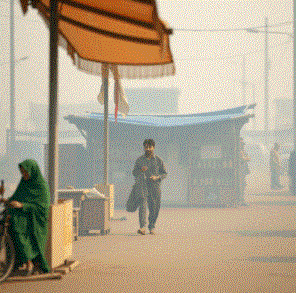
Smog in Pakistan: The Silent Killer in Our Skies
The word smog has become synonymous with environmental distress. Over the past two decades, what was once assumed to be a seasonal problem in the fall and winter months has emerged as an immediate global threat to millions daily? Clearly, this thick, murky haze hovering over Lahore, Delhi, Beijing, and Los Angeles is not just a weather phenomenon, but a toxic mixture of air pollutants which poses threats to human health, disrupts ecosystems, and endangers economies.
Smog is not a new challenge it actually dates back to the start of the 20th century when rapid industrialization and urbanization altered the environment. Its modern form, however especially in developing countries like Pakistan-has attained intensity unprecedented in history. Grasping what smog is, how it comes to be, and its widenranging impacts, as well as what must be done to address it, is essential for a secure, sustainable, and healthy future.
What Is Smog
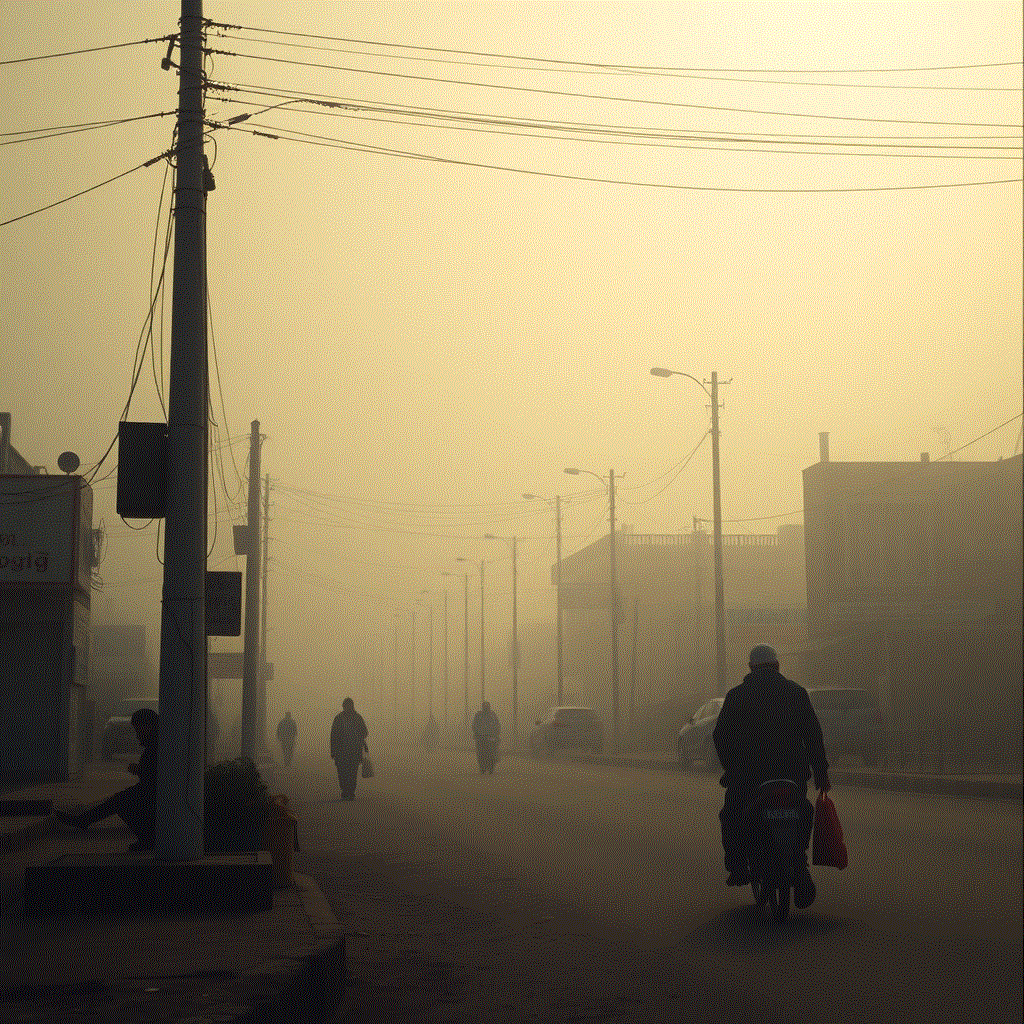
Smog is a word derived from two terms: smoke and fog. This is a form of air pollution wherein smoke combined with industrial emissions and vehicle fumes react with sunlight, heat, and atmospheric conditions to form a thick haze.
There are two primary types of smog:
- Classical Smog (Sulphurous Smog):
- Common in colder climates and industrial areas.
- Caused mainly by burning coal and fossil fuels that release sulfur dioxide
- Prominent during the early 20th century in industrial cities like London.
- Photochemical Smog:
- Occurs mainly in warmer climates and urban areas.
- Formed by the reaction of sunlight with nitrogen oxides and volatile organic compounds emitted by vehicles and factories.
- Produces ground-level ozone, which is harmful to both humans and vegetation.
Now a day, photochemical smog is the more common type, and it is especially severe in densely populated, industrial, and traffic crowded cities.
Causes of Smog
Smog is a product of human activities combined with certain meteorological conditions. Its formation is subjective by both natural and man made factors.
1. Vehicular Emissions
Rapid urbanization has led to an exponential increase in the number of vehicles on roads. These vehicles emit nitrogen oxides, carbon monoxide, and unburned hydrocarbons, which react under sunlight very dangerous for life..
2. Industrial Pollution
Factories, power plants, and brick kilns release sulfur dioxide, nitrogen oxides, and particulate matter into the atmosphere. In developing countries like Pakistan, outdated industrial equipment and poor emission controls aggravate the situation.
3. Crop Burning
One of the most significant seasonal contributors to smog in South Asia is crop residue burning. Farmers burn leftover rice and wheat stubble to clear fields quickly for the next sowing season. This releases large amounts of carbon dioxide, methane, and fine particulate matter into the air.
4. Construction Dust
Uncontrolled construction activities, road repairs, and demolitions release fine dust particles that remain suspended in the air, adding to smog formation.
5. Meteorological Conditions
Smog tends to worsen under certain weather conditions especially during temperature increase, when a layer of warm air traps pollutants near the ground. Calm winds and high humidity further prevent pollutant spreading.
6. Household Activities
The use of solid fuels like wood, coal, and dung for cooking and heating in rural and low-income urban areas also contributes to local air pollution.
Components of Smog
Smog is not a single pollutant but a complex mixture of various substances, including:
- Particulate Matter and Fine particles that can penetrate deep into the lungs and bloodstream.
- Nitrogen Oxides Emitted from vehicle exhausts and industrial processes.
- Sulfur Dioxide Produced by burning fossil fuels and coal.
- Ozone A secondary pollutant formed when sunlight reacts with NOₓ and VOCs.
- Carbon Monoxide Produced by incomplete combustion of fuels.
- Volatile Organic Compounds Released from paints, solvents, and vehicle exhaust.
Each component plays a unique role in damaging the environment and human health.
Effects of Smog
1. Health Impacts
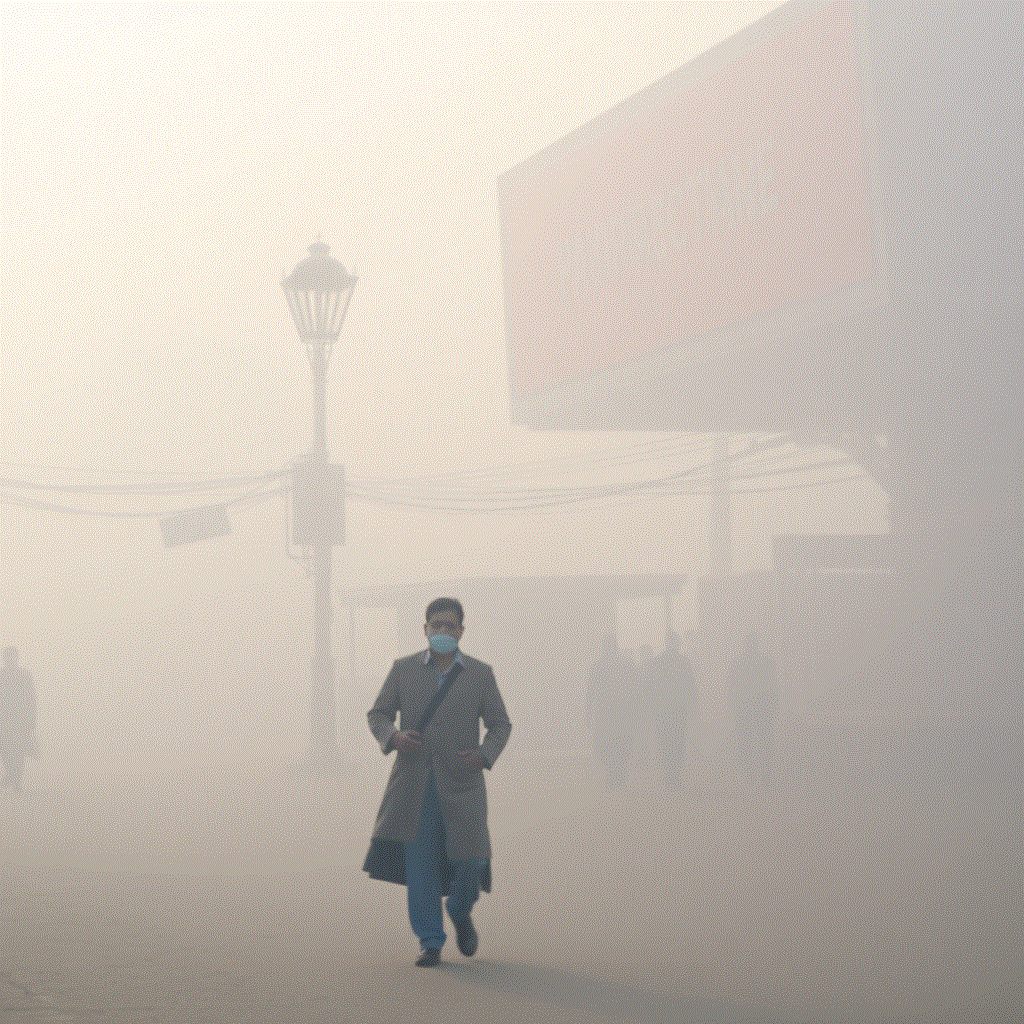
Smog poses serious health risks, especially to children, the elderly, and those with pre-existing respiratory conditions.
- Respiratory Problems: Chronic exposure can lead to asthma, bronchitis, and lung infections.
- Cardiovascular Diseases: Fine particulate matter can enter the bloodstream, increasing the risk of heart attacks and strokes.
- Eye and Skin Irritation: Ozone and sulfur dioxide cause eye burning and skin allergies.
- Reduced Immunity: Prolonged exposure weakens the body’s ability to fight infections.
- Premature Death: According to WHO, air pollution including smog is responsible for over seven million premature deaths worldwide each year.
2. Environmental Effects
Smog not only harms humans but also disrupts natural ecosystems.
- Damage to Vegetation: Ozone interferes with photosynthesis, reducing crop yields and damaging forests.
- Acid Rain: Sulfur dioxide and nitrogen oxides react with water to form acids, which harm soil, aquatic life, and buildings.
- Reduced Visibility: Thick smog layers reduce visibility, leading to traffic accidents and transport delays.
- Climate Impact: Many pollutants in smog, such as black carbon, contribute to global warming by absorbing sunlight.
3. Economic Consequences
The economic burden of smog is immense.
- Increased healthcare costs due to pollution-related diseases.
- Losses of productivity as people fall ill or miss work.
- Reduced agricultural output from damaged crops.
- Tourism decline as cities under smog alert lose attractiveness.
According to World Bank estimates, air pollution costs Pakistan more than 7% of its GDP annually due to health expenses and lost productivity.
Smog in Pakistan
1. Current Situation
Pakistan is among the top 5 worst countries in the world regarding air quality. The cities of Lahore, Faisalabad, and Karachi usually demonstrate an Air Quality Index of more than 400–500, which is hazardous.
The problem worsens during October to January, when low temperatures and stagnant air trap the pollutants close to the ground. Once called the “City of Gardens,” Lahore now often tops the list of the world’s most polluted cities during winter seasons.
2. Main Contributors in Pakistan
- Vehicular Emissions: Pakistan’s outdated public transport and lack of vehicle emission standards are major issues.
- Crop Burning: Punjab’s agricultural belt contributes heavily to winter smog.
- Industrial Emissions: Brick kilns and steel factories operating without filters release harmful gases.
- Imported Fuel Quality: The use of low-grade petrol and diesel worsens emissions.
- Weak Regulatory Enforcement: Environmental protection laws exist but are poorly implemented.
3. Government Response
The Pakistani government has taken some measures, including:
- Closure of Brick Kilns using old technology during smog season.
- Introduction of Zigzag Technology in kilns to reduce emissions.
- Vehicle Inspection Programs and promotion of electric vehicles (EVs).
- Smog Emergency Plans involving school closures and work-from-home advisories.
However, these steps remain temporary and reactive. Long-term policy implementation and cross-border cooperation are still lacking.
Smog and Climate Change
Smog and climate change are closely linked. Many smog-forming pollutants also influence the earth’s climate system. For example:
- Black Carbon and Methane contribute directly to global warming.
- Ozone acts as a greenhouse gas in the lower atmosphere.
- Deforestation and fossil fuel burning, which worsen smog, also increase carbon dioxide levels.
In Pakistan, climate change has already intensified heatwaves, floods, and droughts. The combination of these phenomena with persistent smog creates a double environmental burden, threatening agriculture, health, and economic growth.
Global Perspective
Smog is a global issue, though its severity varies regionally.
- China has made significant progress in reducing smog by closing polluting factories, investing in clean energy, and implementing strict air quality standards.
- India, like Pakistan, still struggles with crop burning and urban vehicular emissions.
- The United States successfully reduced smog levels in major cities through the Clean Air Act, strict regulations, and technological innovation.
The global experience shows that reducing smog is possible—but it requires political will, investment in technology, and public participation.
Technological and Policy Solutions
To effectively combat smog, countries must adopt a multipronged strategy combining technology, regulation, and public awareness.
1. Cleaner Energy Transition
- Shift from coal and oil to renewable energy sources like solar, wind, and hydropower.
- Promote electric vehicles and provide incentives for green transportation.
- Enforce strict fuel quality standards.
2. Improved Urban Planning
- Develop green belts and urban forests to absorb pollutants.
- Implement car-free zones and encourage cycling and public transport.
- Modernize waste management systems to prevent open burning.
3. Industrial Reforms
- Introduce emission control technologies in factories and kilns.
- Monitor industrial pollutants through digital sensors and public data transparency.
4. Agricultural Innovations
- Promote alternative methods to manage crop residue, such as composting or mechanical shredding.
- Provide subsidies for eco-friendly farming equipment.
5. Public Awareness Campaigns
Educating citizens about the health dangers of smog and encouraging behavioral change like reducing car use and avoiding open waste burning are essential.
6. Cross Border Cooperation
Air pollution does not respect boundaries. Pakistan, India, and other South Asian nations must develop regional agreements to tackle shared sources of pollution.
The Future of Smog and the World
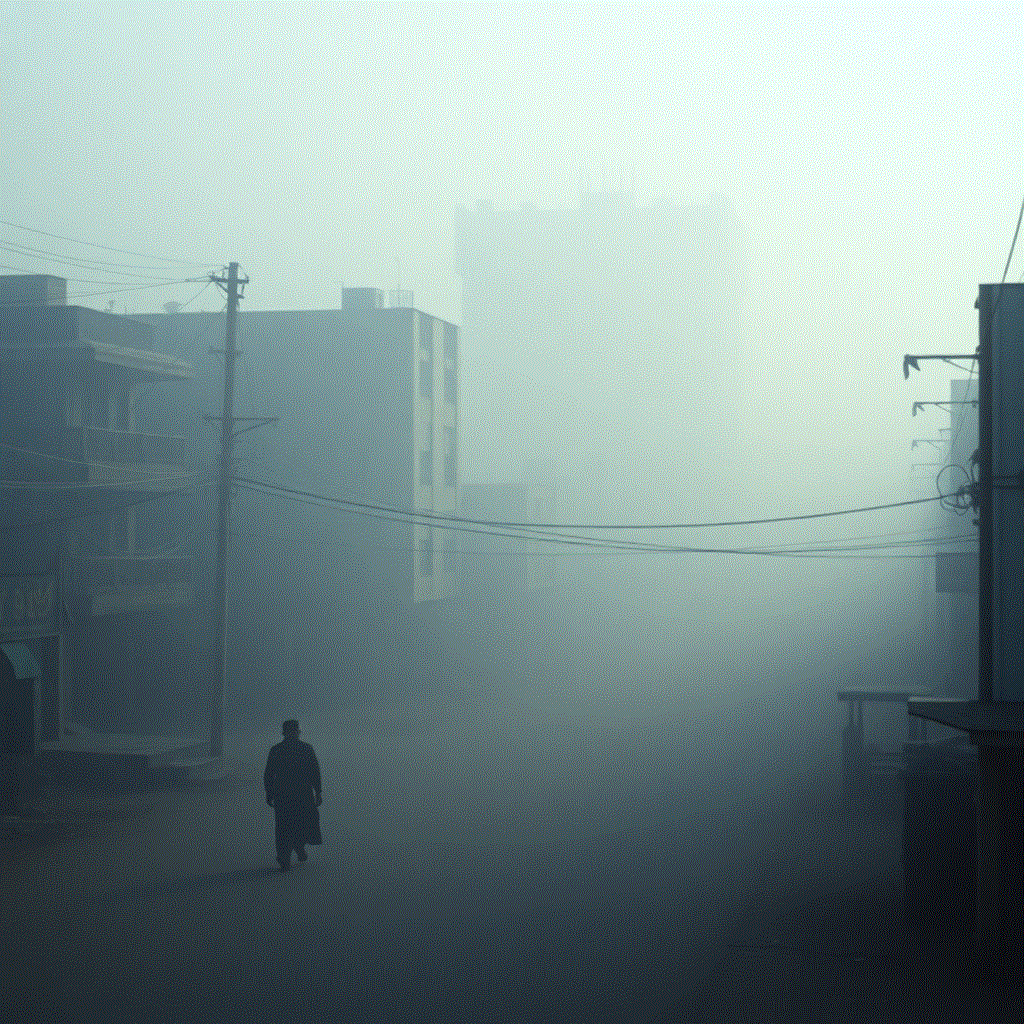
If global and national efforts fail to control smog, the future could be grim:
- Increased mortality from air pollution-related diseases.
- Food insecurity due to reduced agricultural productivity.
- Accelerated climate change impacts.
- Greater economic inequalities as the poor suffer the most from polluted environments.
However, there is still a route to sustainability. Technological innovation, active global cooperation, and community engagement form turning points toward cleaner air. The shift to renewable energy, electric mobility, and green urban infrastructure offers a vision of the world that is not dominated by smog.
The Future of Pakistan and Smog
Pakistan is at a threshold. Home to one of the fastest-growing populations and urbanization rates in the world, the country finds itself at an important juncture: to continue on a path of untrammeled pollution or to pivot toward sustainability.
Optimistic Outlook
Smog can be considerably reduced, and public health improved, if Pakistan invests in green technologies, enforces environmental regulations, and transitions to renewable energy. Initiatives in this direction include the “Clean Green Pakistan” campaign, the EV policy, and the Ten Billion Tree Tsunami project.
Pessimistic Scenario
If the smog keeps increasing unchecked, it may result in a public health emergency, water scarcity, and agricultural decline in Pakistan. Places like Lahore may turn into ‘unlivable’ cities during winter due to mass migration and economic loss.
Smog is not only an ecological issue but a social, economic, and moral one. It’s about every breath we breathe, each field we harvest, and every child we bring up. The battle against smog requires more than mere short-term emergency measures; it requires a transformation in the way we produce, consume, and coexist with nature.
For Pakistan, the future belongs to innovation, environmental justice, and regional coalition building. The world’s future especially that of developing nations depends on how effectively we face up to this invisible enemy.
Clean air is not a privilege, it is a basic human right. The fight against smog is, in fact, a fight for life itself.
About the Author