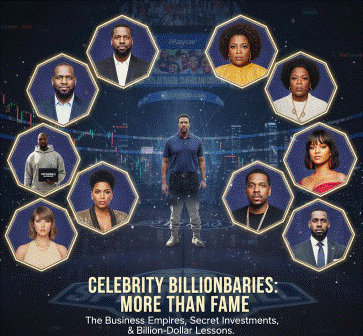
Celebrities You Never Knew Were Billionaires
The concept of celebrity has always been intertwined with wealth, but few people realize that some of the world’s most recognizable figures have built fortunes far beyond their paychecks, record deals, or movie salaries. It’s easy to make the assumption that celebrities earn in large figures from their primary professions, but in actual sense, billionaire statuses usually emanate from smart investments, ownership of brands, business ventures, and strategic control of intellectual property. This article looks at some of the most shocking celebrities who attained billionaire status and digs deeper into their feats, what they are investing in, and lessons one can take from their financial journeys.
Oprah Winfrey
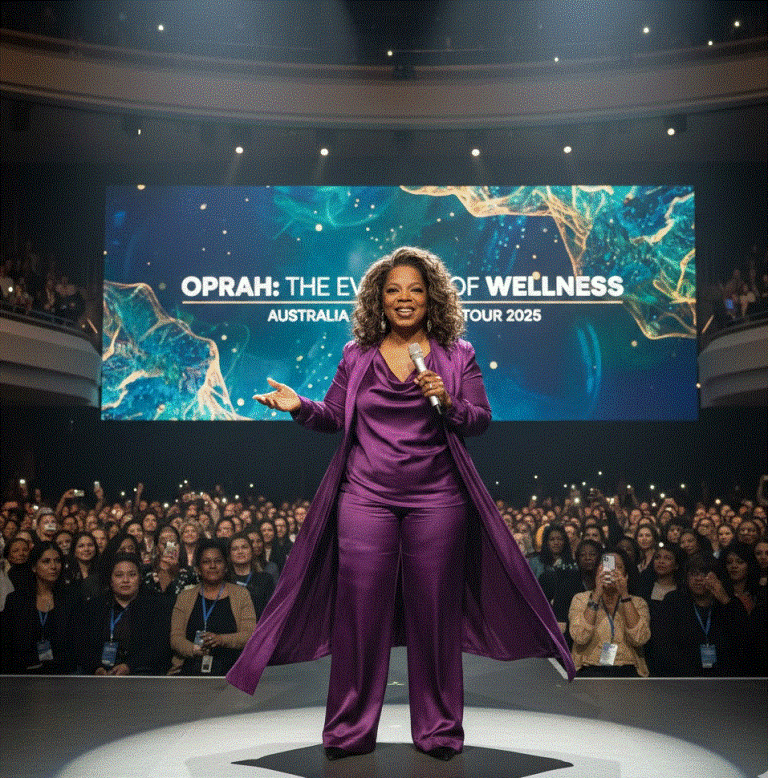
Oprah Winfrey is arguably the most famous media personality in the world. Her rags to riches story, starting from humble beginnings in rural Mississippi to global icon, has been magnified. However, what is often underestimated is the sheer size of her financial accomplishments. Oprah is more than a talk show host; she is a businesswoman, investor, and philanthropist. Her billionaire status is largely attributed to owning Harpo Productions, the company behind The Oprah Winfrey Show. By owning her production company rather than merely being a salaried employee, she retained profits from syndication deals, international licensing, and spin offs.
Oprah’s wealth was also built via strategic investments, which included her stake in the cable network OWN, among other real estate holdings across the United States. She made a killing from her book club, major brand partnerships, and investments related to wellness and lifestyle companies. What happened is a good example to show that fame, if well converted into ownership and investment, can multiply wealth many times more than one could earn through a conventional career.
Jay Z
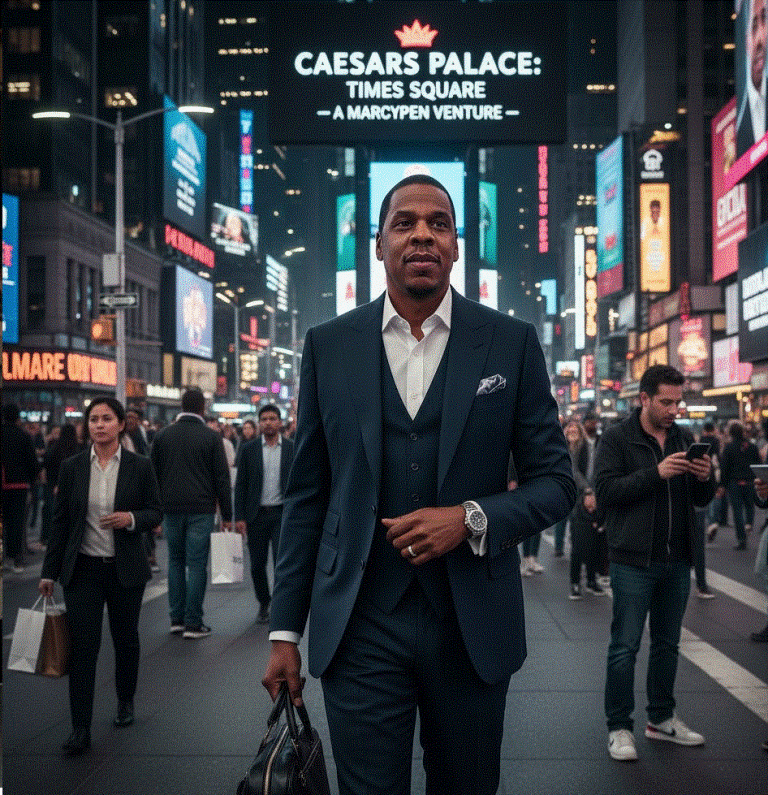
Shawn Carter, famous as Jay Z, is one of those celebrities who became a billionaire without having to depend on his music career. While Jay Z made his name as a rapper, entrepreneur, and producer, the majority of his wealth comes from strategic investments and business ventures. His company, Roc Nation, manages not just his music and concerts but also a plethora of careers for different artists.
He also has the high end champagne brand Armand de Brignac, interests in Tidal the music streaming service, real estate, and has made early investments in Uber. This approach upstirs the ability of diversifying means of income and ownership opportunities different from merely salary earning or royalties. Jay Z’s business acumen has made him a blueprint for how entertainers can transform fame into enduring wealth.
Rihanna
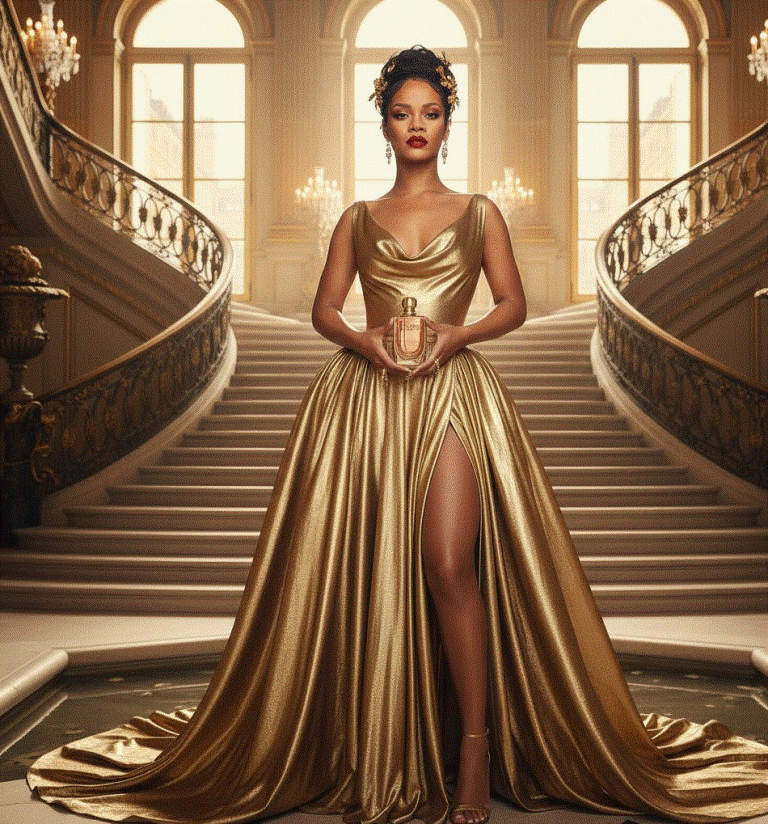
Robyn Rihanna Fenty, popularly known as Rihanna, has been in the news for not only her releases but also for her unsurpassed success as an entrepreneur. Other than the millions of artists around the world who mostly garner their money through tours and album sales, Rihanna’s billionaire status is predominantly drawn from the ownership stakes she has in Fenty Beauty and Savage X Fenty.
Fenty Beauty is a game changer in the cosmetics industry because it offers so many shades of foundation, and it became a cultural phenomenon. But Rihanna ensured that she’d make a killing as her company grew by retaining equity in it. Similarly, her lingerie line, Savage X Fenty, speaks to great inclusivity and fashion forwardness while raking in millions from both e tail and brick and mortar stores. Rihanna’s case gives credence to the fact that celebrities who actually create innovative and connective brands stand a chance of out earning traditional figures from their main craft.
Kim Kardashian
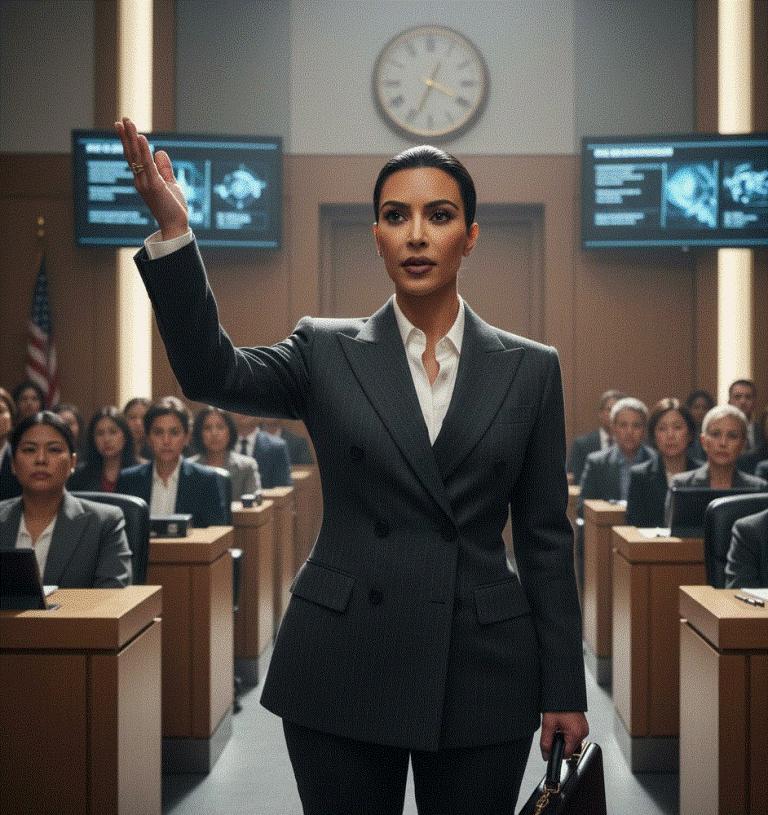
Kim Kardashian is more or less celebrated as a reality TV star, though the source of her billionaire status can be found in business ventures leveraging her personal brand. While Keeping Up with the Kardashians launched her into global fame, her money comes from companies such as SKIMS the shapewear brand and KKW Beauty. This has been especially true for SKIMS, which has skillfully combined the message of body positivity with excellent goods to reach mass appeal across a broad demographic.
Other sources of Kim Kardashian’s income have come from licensing deals, social media influence, mobile apps, and the ability to negotiate high paying sponsorships. What she has done with her strategy is showcase the value that personal branding can have as an asset but also shows how celebrities can leverage influence across many platforms and different industries.
Taylor Swift
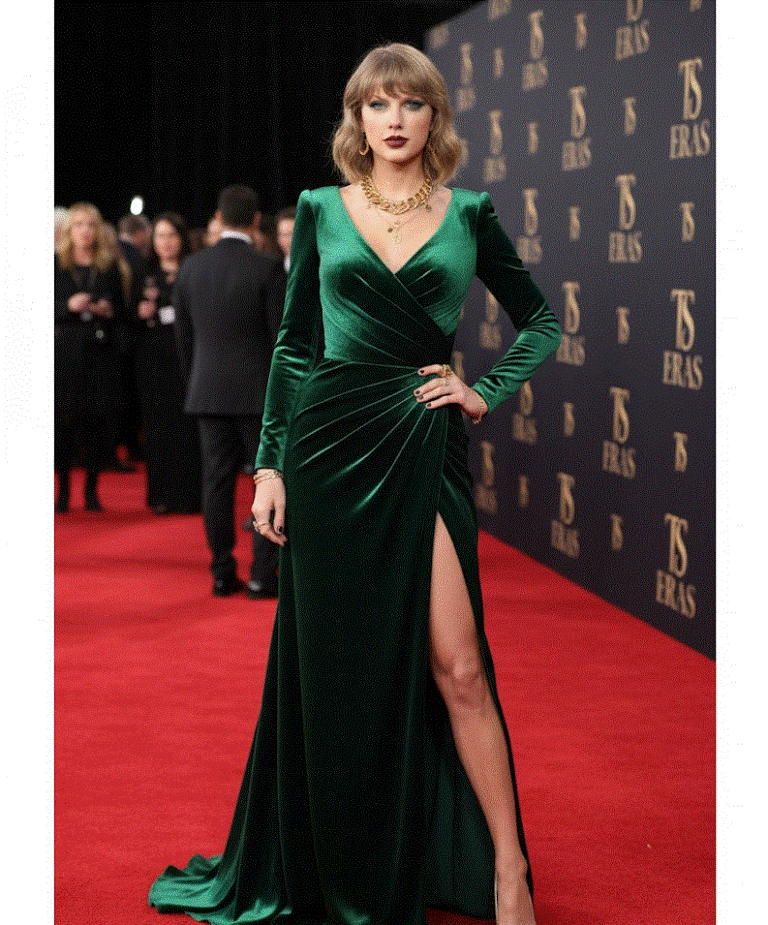
Taylor Swift is often feted for her songwriting skill and record breaking music tours, but she’s a billionaire thanks to careful ownership of her intellectual property and savvy business moves. Swift has fought consistently for control over her music catalog, buying back rights where possible and making sure she benefits directly from sales, streaming, and licensing.
Her concerts, especially the Eras Tour, have broken numerous box office records worldwide, resulting in massive revenue streams due to ticket sales, merchandise, and sponsorships. Swift’s approach keeps at the fore that a strategic control over creative output and direct involvement in monetization decisions are perhaps the important keys to turning talent into financial success over a long time.
LeBron James
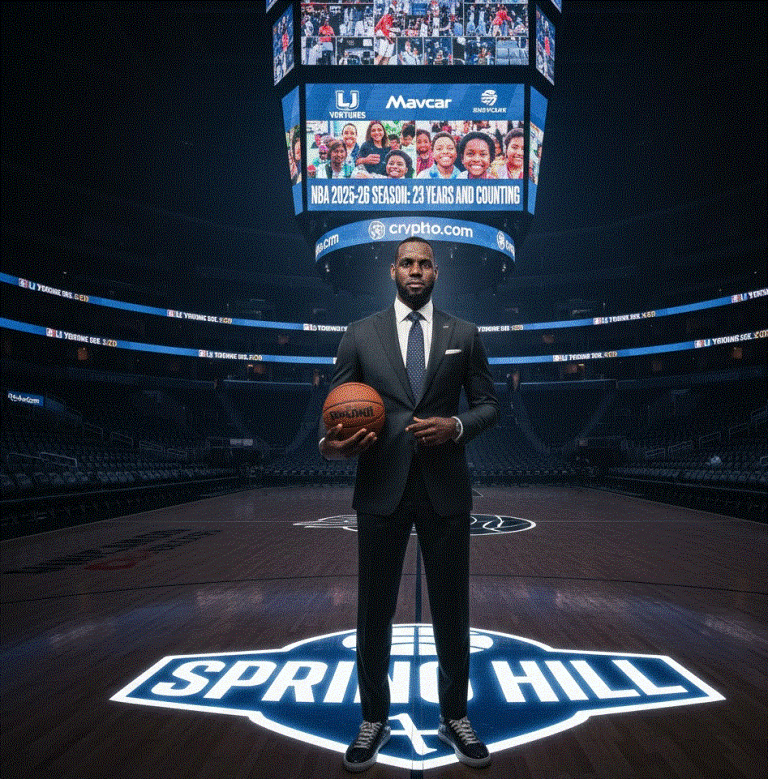
LeBron James is one of the most successful athletes in history, but his wealth extends far beyond what he makes from basketball salaries. While NBA contracts are lucrative, LeBron’s billionaire status is because of endorsement deals, business investments, and ownership stakes. There is the lifetime Nike deal alone that costs hundreds of millions, while in his investment portfolio are companies such as Blaze Pizza, which he helped expand across the country.
LeBron is also a cofounder of the production company SpringHill Entertainment, which creates content for both television and digital platforms. In addition, LeBron holds minority ownership in several sports teams, further diversifying his portfolio. His financial game plan appears to rely on using professional celebrity status to create sustained, diverse income streams.
Peter Jackson
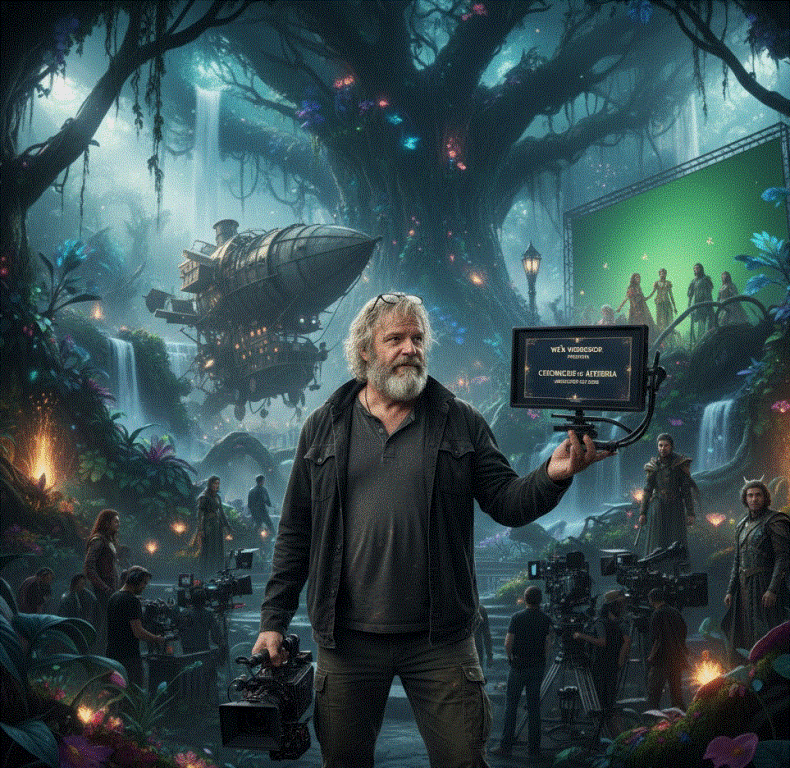
Peter Jackson, the far sighted director of The Lord of the Rings trilogy, reached the billionaire status by pairing his cinematic success with astute business acumen. In addition to his direction work, Jackson cofounded Weta Digital, a visual effects company behind several record breaking visual effects in major feature films. Selling part of Weta to Unity Software brought him a huge windfall.
His wealth shows how creative pros can use technical know how and ancillary entrepreneurship to earn far more than would seem possible when measuring entertainers by traditional yardsticks. Jackson’s career encapsulates the rewards of creative genius allied to strategic ownership and business decisions.
Tyler Perry
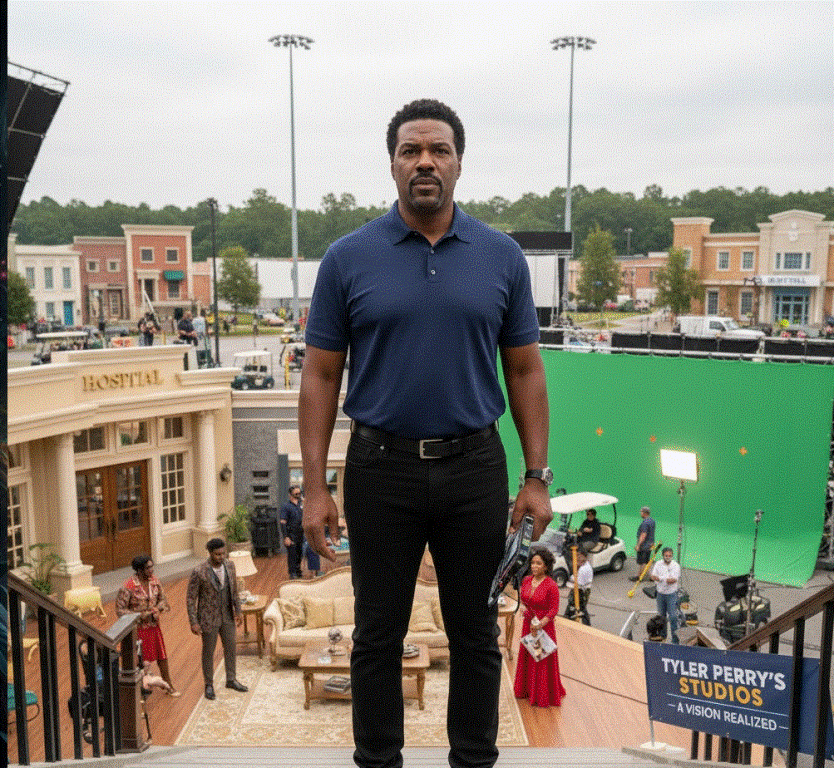
The world largely knows Tyler Perry as a filmmaker and actor, most noted for his creation of the character of Madea; however, his billionaire status is widely derived from owning his content and production infrastructure. Unlike most individuals in Hollywood, who work on one paycheck or another from some studio contract, Perry owns studios, has full control over his movies and plays, and invests in real estate and media properties.
This model allows him to keep the majority of his profits from his projects, showing that, in creative industries, vertical integration and ownership can make it possible for wealth to far exceed what might be gained by fame alone. Perry’s story helps illustrate the power of taking control over production, distribution, and intellectual property rather than relying on outside employers.
Kanye West
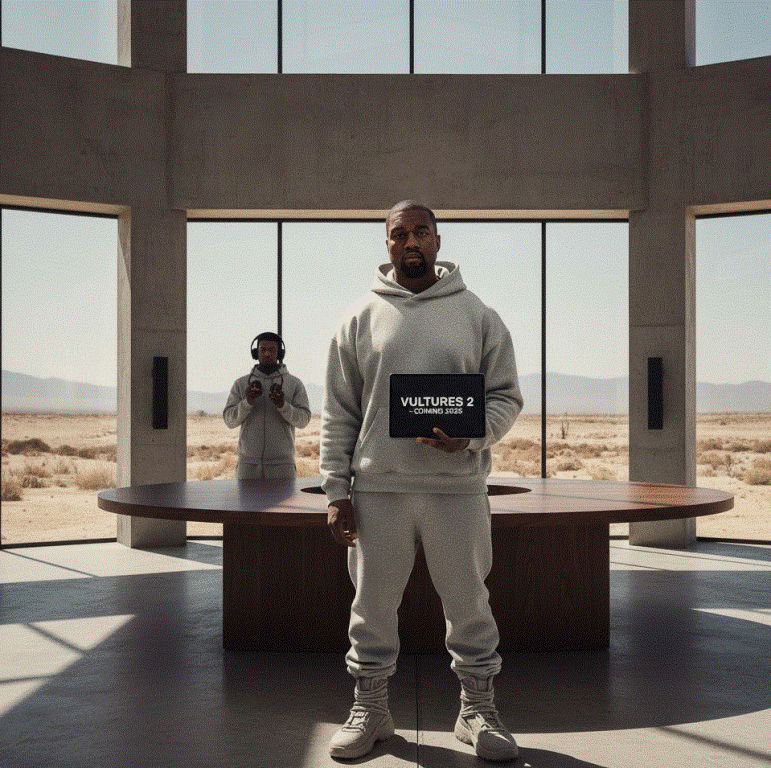
Well, Kanye West, or Ye, reached billionaire status largely on the back of estimates surrounding his Yeezy brand in conjunction with Adidas. Though a musician by trade, West derives the bulk of his money from fashion, through licensing deals and strategic partnerships. The Yeezy sneakers became a cultural phenomenon; the billions that their sales raked in mostly flowed directly to West in the form of equity stakes. In addition to that, real estate, and investments, his catalog has also added much value to his net worth. Kanye is one example of how brand identity, cultural influence, and ownership can give celebrities the ability to create wealth that far surpasses their immediate vocational skill or talent. Magic Johnson Magic Johnson is widely regarded as one of the NBA’s all time greats, and his transition from professional sports into business has been nothing short of brilliant. Though he made millions on the court, his billionaire status stems from the diversity in his portfolio, including movie theatres, Starbucks franchises, and ownership in sports teams, among many others. Magic Johnson’s case is only one example of how a professional athlete may attain enduring wealth by evaluating his or her career as an opportunity for entrepreneurship, rather than as relying on performance related income. The basis for such financial transformation has been his nose for finding a business opportunity, forming partnerships, and making wise investments.
About the Author